Children In Need
With the BBC’s Children in Need just around the corner, reports are coming in that Pudsey Bear is once again being sighted around the UK. Lighting up charity events and shopping centres the length and breadth of the country, his golden fur and signature spotty eye patch all fresh and ready for a new season of telethon fund-raising, Pudsey can be seen shaking his bucket and ultimately at some point his behind, all in the name of raising money for a fantastic cause.
A brief history
 Children in Need was first televised in 1980. Prior to this, the BBC had several radio and televised charity events under various names with a similar aim: to change the lives of disabled children and young people across the UK. It wasn’t until 1985 that Pudsey Bear made his first televised appearance for the charity. Designed by BBC graphic artist Joanna Ball, Pudsey got his name from the town in which Joanna was born and her father was mayor. The first design was a triangular logo with a sad-looking yellow bear sporting a red bandana with black triangles dotted across it, who was loosely designed to look like Sooty (who had hosted previous telethon and charity events).
 The teddy bear, the lower case letters and phonetics in his name were all thoughtfully considered to ensure that the logo and sentiments behind it were conscientiously child- and adult-friendly. This simple design was updated a year later to the more popular smiling Pudsey with familiar white spotty bandana, sat upon children’s building blocks spelling the charity name, which would be used up until 2006. Initially, Pudsey was created as a teddy bear and it wasn’t until a few years later that the costume walk-about characters came on to the scene, allowing Pudsey’s reach to go further than ever before and for the cuddly character to get physically involved in the charities work.
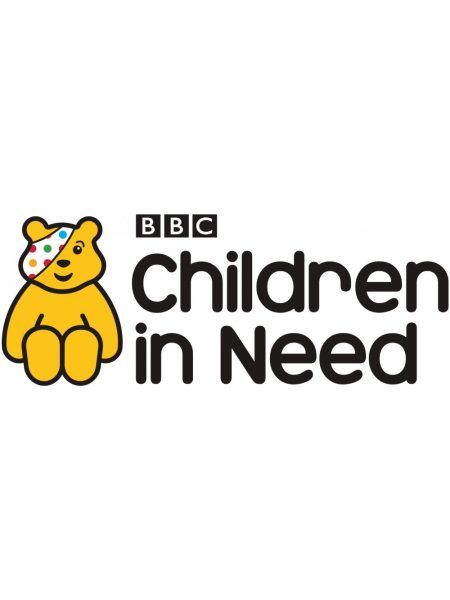
In 2007, an agency was commissioned with giving Pudsey a refresh and the cuddly character was re-designed, losing his buttons and gaining a new multi-coloured bandana to bring him right up to date and to keep the yellow bear relevant in our ever changing world. Partly, the new design was to increase his internet appeal by considering his online presence and how the character would translate from the physical to the digital when gesturing and moving around on screen in animated form. Two years later Pudsey was joined by Blush, a female companion (just friends I believe) and brown bear sporting a spotty bow in the same colours as Pudsey’s bandana. Blush was conceived to increase the charities appeal and attract more corporate partners by diversifying the brand. Blush is also around to give Pudsey a hand from time to time by attending some of the fundraising events alongside him. All in the name of a good cause, the BBC’s Children in Need has raised over £650 million since its inception in 1980, with large thanks to Pudsey and the late, great Terry Wogan who, up until his death in 2016 had presented the show every year without fail (he backed out of presenting in 2015 due to ill health).
This year sees a very special Children in Need Rocks concert that pays homage to the life and fundraising prowess of one of the nation’s most loved presenters. In true Terry style, all proceeds will go to the Children in Need charity he so dearly cherished. Here at CWC, we are extremely proud to be the ONLY official approved supplier of Pudsey and Blush bears to fundraisers across the UK and we do our part to ensure that each and every Bear that leaves our studio is finished perfectly and uses only the very best materials to ensure that whatever is thrown in Pudsey and Blush’s direction, they can fundraise and frolic without a care.
Mascots can make your charity money
For those of you who are considering using an existing character, or creating a new furry figurehead for your charity or business and would like to get involved with fundraising, then choosing a Mascot as your campaign ambassador is a clever move. Although there haven’t been many studies to show the impact of a charity mascot on Charitable donations, it’s well known that a bubbly brand ambassador can increase the amount of cash collected for a cause. The reasons for this are varied and I’m sure everyone has their opinion on what it is that makes a Mascot such an effective charity Spokes-character but here’s a few that I think are fundamentally important considerations as to the reason why.
 Firstly, a mascot can be the anthropomorphic representation of a business or cause. As humans, we have a tendency to try and understand the world through animalistic association, often humanising, or giving a ‘personality’ to objects and things so that we can make sense of them and interact with them appropriately. It’s much easier to interact with a character than it is to make conversation with a brick wall as a very obvious example, so charities and businesses anthropomorphise their values and beliefs to make people more susceptible to interaction, and in turn, this makes the general public more likely to sympathise with the cause and dig that little bit deeper into their pockets.
A mascot character also strengthens the consumer awareness of a brand. Pudsey Bear is a fantastic example of this working for a charity. Exposure over many years has firmly cemented him as the Spokes-Character of Children in Need and he is very much a fundamental part of their fundraising drive. People quite simply love Pudsey. He’s as popular now as he has ever been, especially with  his update and transition to the internet in 2007, increasing the reach of his charitable donations bucket to a worldwide audience. Now, you don’t even need to see the charity name to associate Pudsey with the Children in Need brand, he is that brand.
We, as members of the general public have also built an emotional connection with this loveable ambassador and his worthy cause, I mean who wouldn’t? The mission statement, the cuddly Characteristics and the Child-like glee of high fiving, or interacting with a giant Teddy Bear allows us to form a warm and positive opinion of the charity, trusting that the donations we are giving will be going to a very good cause. This model can be seen across many charities around the world, incorporating some form of Mascot as the ambassador for  their cause with the aim of maximising on donations.
Lastly a mascot is, for the most part, cute and cuddly. That in itself is more than enough to cause an emotional reaction in the general public and melt even the coldest heart. A lot of charity mascots are designed to remind us of soft toys and pets that we may have had when we were younger. ‘This nostalgic association evokes higher levels of emotion and donation intentions within the general public than charities without this connection’. Not my words, but the words of John B. Ford and Altaf Merchant from a study into the power of charitable appeals based on emotions and intentions conducted in 2010. So genuine scientific proof confirms that considerations in design to incorporate some aspect of nostalgia for the target audience will in fact affect the final total in a positive way.
Four ideas for your furry fundraising friend
Now we’ve discussed a couple of reasons why mascots increase charitable donations, backed up by a little bit of science right at the end, I think it would be unfair to give you all this information without giving you some ideas as to how you can use your character to fundraise for your chosen charity, so here’s a few ideas to spark your charitable creativity:
 1. Pounding the pavement
This is the tried and tested method of actually getting out there to busy shopping areas and town centres with your bucket in hand, using all of your Character charms to interact with the general public. You can dance with them, wave, hi-five, you name it but be careful not to get too carried away. Not everyone will be interested in playing along so make sure you judge the situation wisely. However, if you pick the right people, the donations will come pouring in. Especially if your character has built up a bit of a crowd with its antics. It’s also a great way to gain exposure in your local area. People will ask questions and some may even take photos or video, increasing your exposure should people upload their videos and photos to the world wide web. This last point is of course relevant for most activities simply because mascots aren’t something you see every day (unless you work for a mascot maker or are actually a mascot) and makes an interesting discussion topic.
 2. Create a social media presence
Your character is the voice of your charity or business so why not give it some freedom to interact away from the confines of the physical using social media. You can use it as a platform to introduce your character, what the charity does and what events are happening that involve your Mascot, but in a way that doesn’t feel like a great big advert. Giving your character this platform allows it to create its own identity that people can associate and interact with in a way they couldn’t if it was just a general charity page. All of a sudden your character becomes an individual, with feelings and emotions that the public can relate to. As mentioned above, this anthropomorphic model of your charity will make people more susceptible to joining in, sharing, attending events and ultimately donating to your cause.
 3. The spirit of Competition
A great way to spark interest and get people talking about your charity is with a competition. Why not contact schools, nursing homes and local businesses asking them to get involved in fundraising and offer the incentive that if they reach a certain total, they will get a visit from your character for a meet, greet and play session (for example). Alternatively, run a competition where the winners get a visit from your character to host an action packed activity day with all the proceeds from the event going to charity. If you ensure entry to the competition is something that everyone can do with minimal effort, you’ll find people more inclined to join in with the fun.

 hese were the real deal. Lions, tigers, bears, dogs, pigs, horses and birds of prey were all used by sporting clubs and instantly became a popular feature with the audience, who would cackle and hoot at the escapades of the animal and its trainer as they were paraded around the stadium. There was however something missing. That something was a unique identity and a charismatic personality. OK, now I can already hear you all saying (and I agree) that animals do have personalities, but have you ever seen a cat, bear or any other animal react to the cheers of a crowd and respond by ramping up the excitement? The only reaction I have seen is that of shock and running away when my cat is confronted with any loud noise….
 So fast forward to the 1960’s and to one of, if not the FIRST costumed character at a MAJOR sporting event; World Cup Willie. Designed by Reg Hoye (who illustrated some of Enid Blyton’s books) for the 1966 World Cup, Willie was the personification of the proud British spirit. The stocky little Lion, sporting a full Union Jack football kit and boots could be seen everywhere during the competition, invoking national pride into the people of England and cheering the lads on from the sidelines. A full range of merchandise was created to compliment the character and the notion of modern day sporting memorabilia was defined. Nowadays, memorabilia has grown to become one of the most important sources of income for a club or competition. The significance of World Cup Willie did not go unnoticed by other countries, who started to realise the potential of such a character and soon even West Germany and the Soviet Union were joining in with the fun. 1966 was the first and last year that England won the World Cup. Whether or not Willie had anything to do with it I’ll let you decide….
 012’s very own Wenlock and Mandeville. Gone are the humanoid shapes that were once the staple mascot style, only to be exchanged with weird and wonderful body types as you see in the 2012 Olympic and Paralympic mascots. Although ultimately criticized for their wacky shapes, Wenlock and Mandeville were a large reason for the success of the London Olympics and brought in millions of pounds of revenue with their merchandise, only being surpassed by the sale of the GB team kit. One disadvantage of this body style is maneuverability and top flight sporting clubs prefer to stick to a humanoid body shape so that their characters can race around the pitch, egging on or poking fun at the crowd, coaches and players alike.
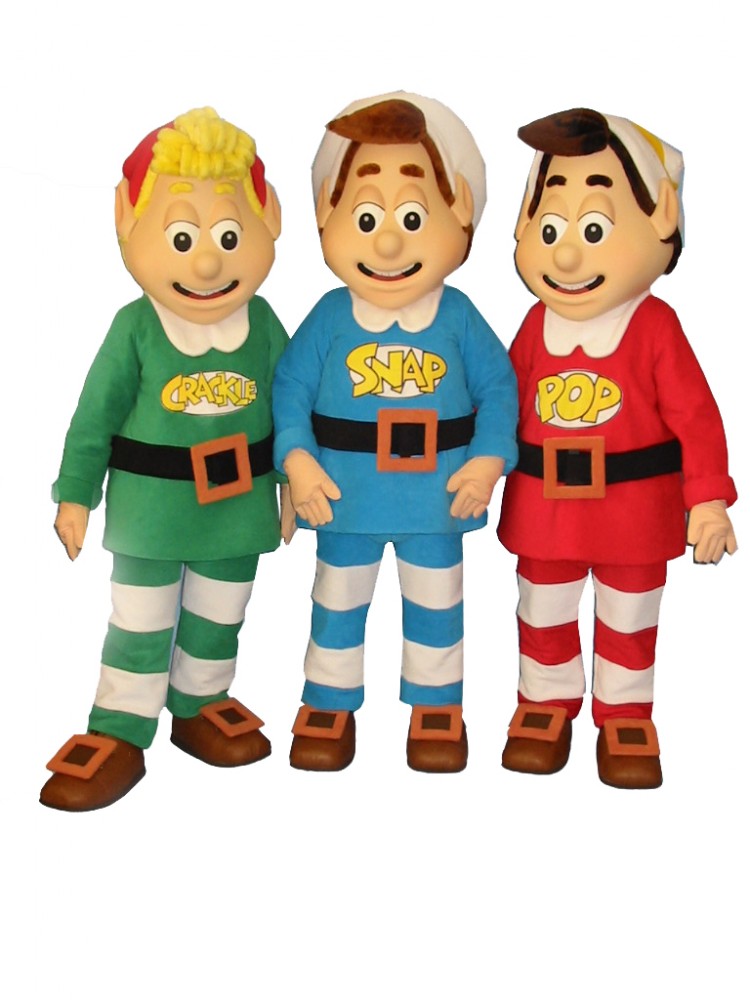 One of the examples briefly mentioned in the article is Snap Crackle and Pop from the popular cereal brand Kelloggs. The names of these characters represent the appealing sound made by Rice Krispies whilst the appearance of the cheeky little elves, with their bold, contrasting colours appeals more to children, giving the cereal a persona and physical appearance they can relate to. A real testament to great character design, Snap, Crackle and Pop have been with us since the early 1930’s, obviously with slight adjustments to keep them fresh and current throughout the decades.
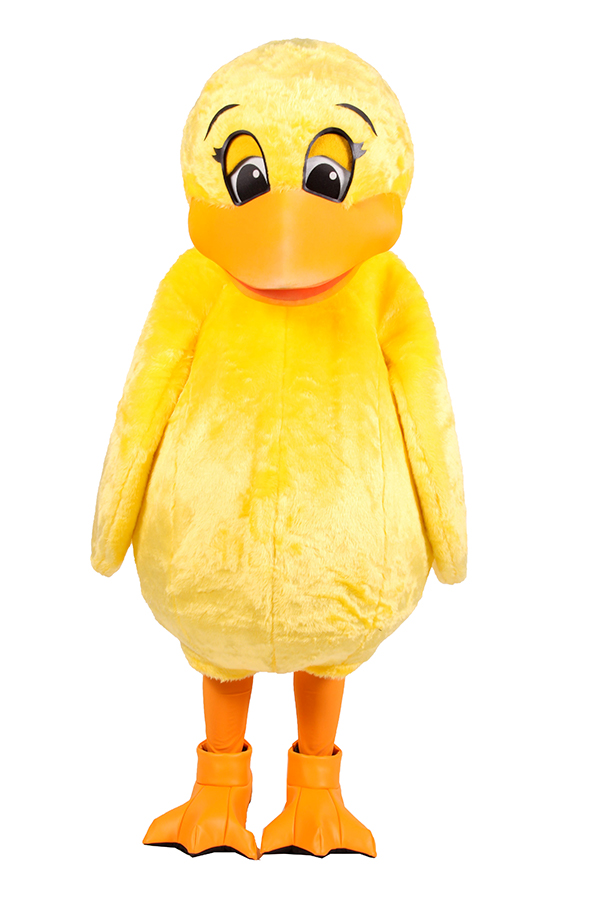 One way to give your mascot a personality, is through the art of expression, and I don’t mean freeform dance (although a dance routine for your costumed character isn’t a bad idea), what I actually mean is the expression on your furry friend’s face. Designers for high profile mascot campaigns spend countless hours, if not days experimenting with various eye and mouth positions to make sure that they are getting the right message across and ensuring their Mascot fits the characteristics of the company. For example, a Halloween based character may have more of a scowl than a smile but it’s all about context.
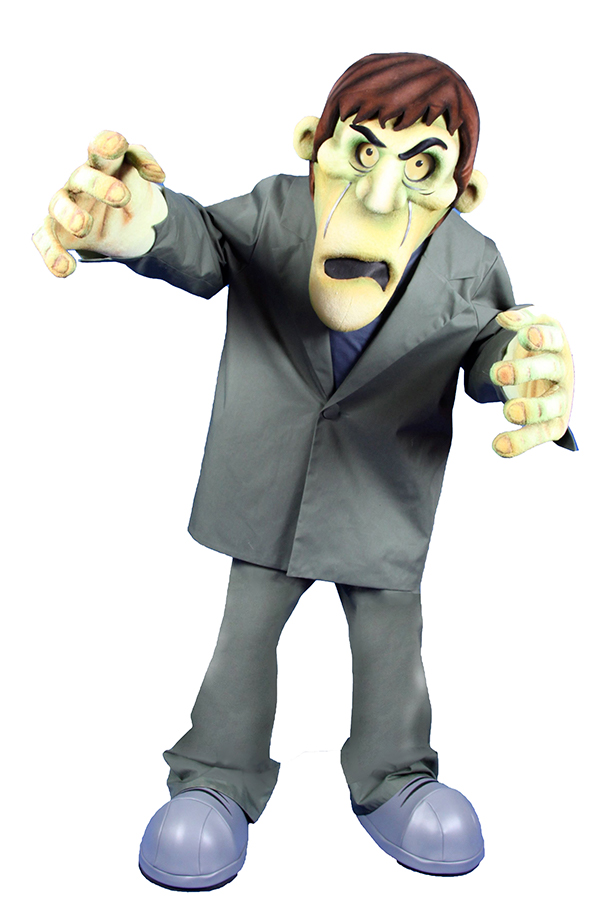 Of course, not all mascots have facial features as some can be inanimate objects, or the traditional teddy bear type. In this instance, think more about how your character moves, what they should and shouldn’t do, what they are wearing and how your character interacts with its audience. For example, a football club mascot may be mischievous and active on the pitch, whereas a mascot for a respected high end shop would want to portray itself with a little more decorum…for the most part… The main thing is to make your mascot interesting. It doesn’t necessarily need to be liked (as it could be portraying a villainous character) as long as it does what you set out for it to do.
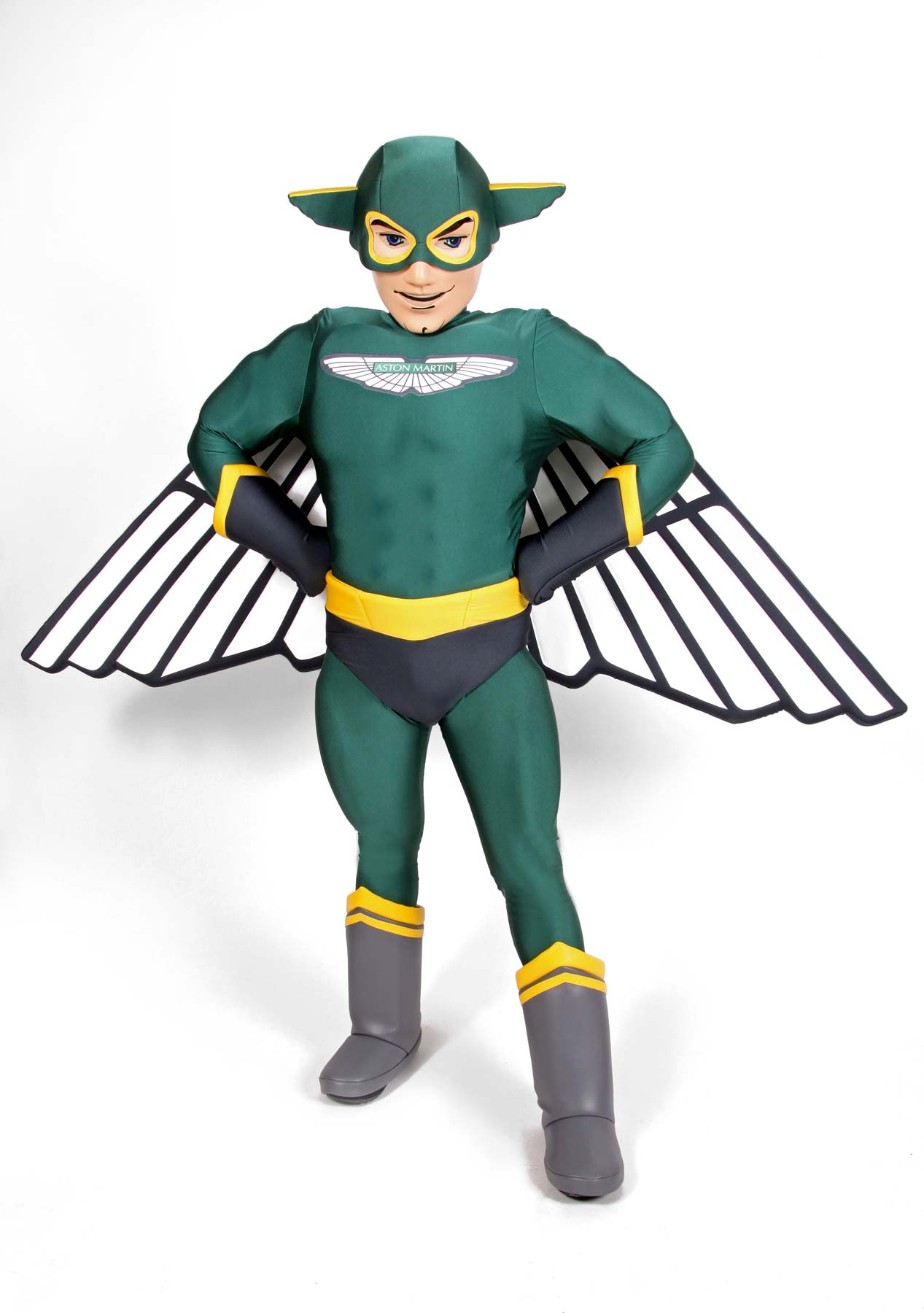
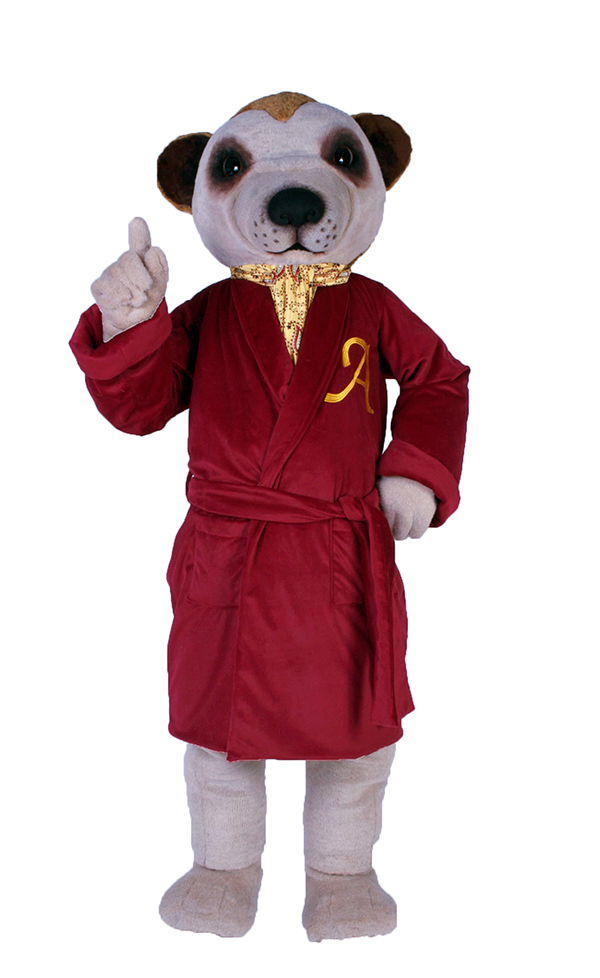 Customising your characters appearance to include physical accessories or clothing emblazoned with a company logo for example is a great way to get your message shown to the masses. Not only to the immediate audience, but to people right across the world via the medium of the internet. Over 1 Trillion (1,000,000,000,000 to put it in numbers) photos and videos are taken annually and the vast majority of these find their way on to the internet. Mascots make great talking points and photos of your character are almost certain to end up on the World Wide Web.

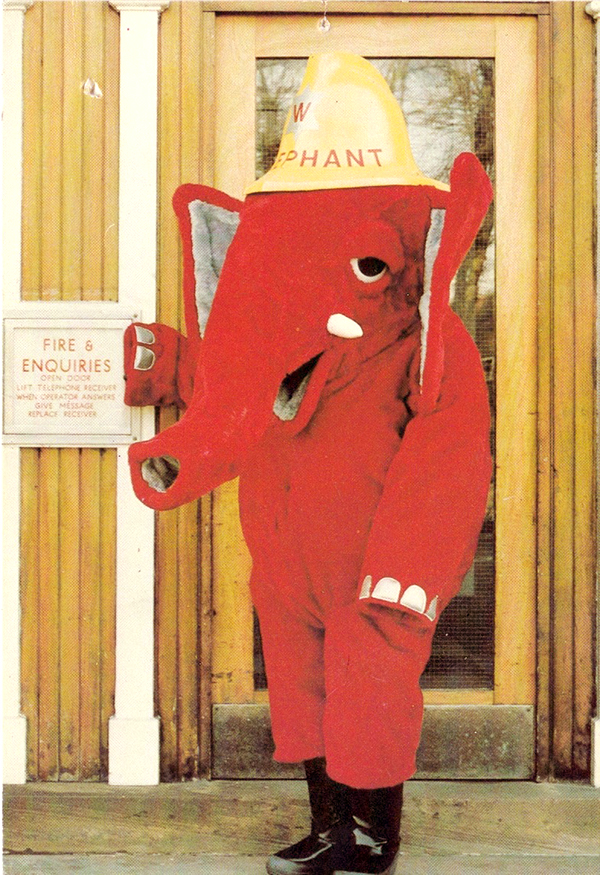
 Alison Dermott. Alison was just a young girl when she first encountered Welephant during a firework safety campaign. Being a talented individual even at that age, Alison shone brighter than the other children and won a colouring competition, resulting in some fantastic prizes and the opportunity for a photo with the iconic elephant. It didn’t stop there, Alison’s mum even wore the costume throughout the nineties in the school that she worked for, using it to teach local children the principles of fire safety. Little did Alison know that when she joined the team at Costumes with Character, Welephant would once again charge into her life.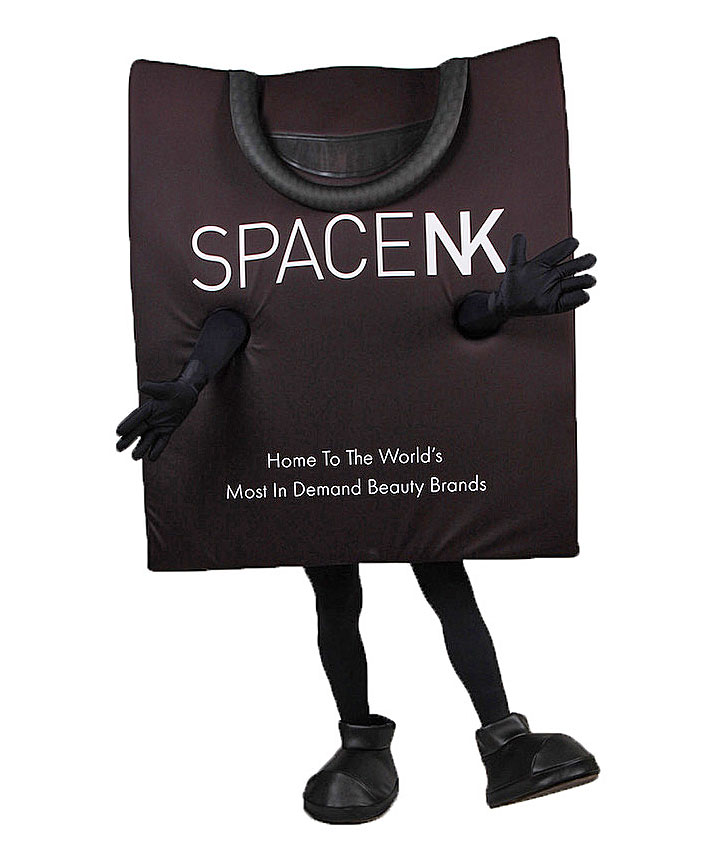
 “I wanted to take this opportunity to thank you for your ongoing service.
 See video
 Each character we have ordered has been of incredible quality and detail and have been well received by everyone who sees them. All of the staff are incredibly helpful and a delight to work with and no doubt we will be using them as often as we can again in the future.”




 View costume
 View costume
 View costume
 View costume
 View costume
 View costume
 View costume
 View costume